

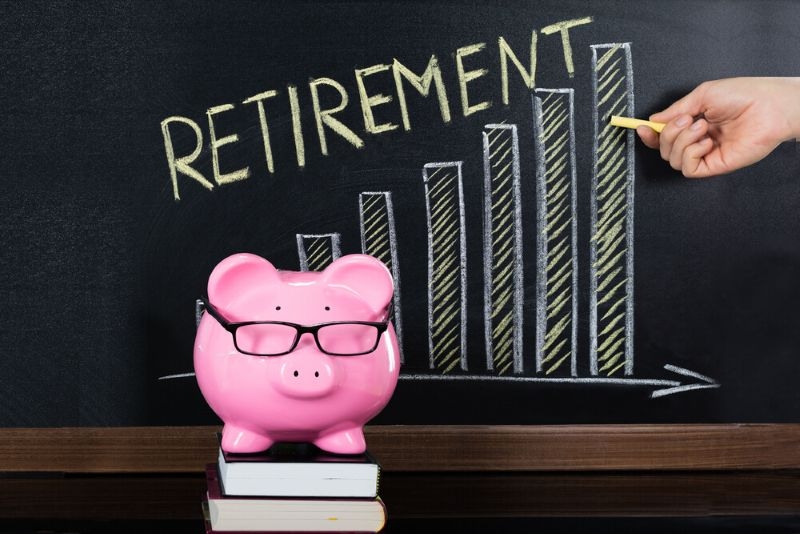
Gen X sits in an uncomfortable middle. Too young to benefit from old-school pensions, too old to ride out long-term market growth the way Millennials can. For many, Gen X retirement savings are not where they expected them to be at this stage of life. That gap is no longer theoretical. It is showing up in balances, projections, and anxiety around what retirement will actually look like.
This is not about poor discipline or lack of effort. It is about timing, structural changes, and economic pressure that built up quietly over decades.
Gen X entered the workforce during a major shift in how retirement worked in the US. Pensions were fading, and 401(k) plans were becoming the default. Responsibility moved from employers to individuals, often without education or safeguards.
Many Gen X workers were expected to figure out saving for retirement on their own while managing rising living costs. Automatic enrollment and auto-escalation were not common when they started. Missed early years matter because time is the most powerful factor in compounding.
On paper, Gen X retirement should be strong. These are peak earning years. In reality, balances often lag behind expectations.
Gen X retirement looks uneven. Some households are well prepared. Many are not. Surveys cited by Investopedia show a consistent pattern. Gen X estimates they need well over a million dollars to retire comfortably. Actual savings often fall hundreds of thousands short.
That gap fuels what is now widely described as a retirement savings crisis. The issue is not just savings. It is confidence. A large share of Gen X does not believe they are on track, even if they are still working full time.
Inflation, market volatility, and healthcare costs make projections feel fragile. Retirement no longer feels like a finish line. It feels uncertain.
Explore More: Securing Your Future by Maximizing 401(k) & IRA Contribution
Every generation faces obstacles, but retirement planning challenges for Gen X tend to stack on top of each other.
Many Gen X households support children and aging parents at the same time. College costs, elder care, and everyday expenses compete directly with saving for retirement.
Student loans, mortgages, and credit card debt did not disappear after youth. Servicing debt reduces the ability to increase retirement contributions, even during high-earning years.
Gen X lived through the dot-com crash, the 2008 financial crisis, and pandemic-era instability. These events disrupted careers and retirement accounts during critical accumulation periods.
Healthcare is one of the largest unknowns in retirement planning. Many Gen X workers underestimate long-term care and medical costs, which can quickly drain retirement savings.
These retirement planning challenges compound, making course correction harder the longer it is delayed.
Middle class retirement is where the pressure is most visible. High earners have margin. Lower-income households may qualify for more assistance. Middle-income Gen X households often fall into a gap.
They earn too much to feel insecure day to day, but not enough to absorb shocks easily. They save when they can, pause when life intervenes, and tell themselves they will catch up later.
Housing costs, property taxes, and insurance take a larger share of income than in previous decades. That leaves less flexibility for retirement contributions, even with good intentions.
Middle class retirement planning also suffers from optimism bias. Many assume they will work longer or spend less later, without fully modeling what that means.
Saving for retirement sounds simple in theory. Set aside money consistently and invest it. In practice, Gen X faced headwinds that changed the math.
Wages did not rise at the same pace as housing, education, and healthcare. Employer matches were not always generous or stable. Job changes often led to cashing out accounts instead of rolling them over.
Behavioral factors matter too. Without clear guidance early on, many delayed saving for retirement because retirement felt distant. By the time urgency set in, the runway was shorter.
This pattern does not reflect failure. It reflects a system that assumed individuals would adapt without tools.
Don’t Miss: Retirement Budgeting Tips – Plan Smart, Spend Wisely!
Social Security plays a larger psychological role for Gen X than many admit. While few expect it to cover everything, many assume it will fill gaps.
The reality is more complicated. Claiming early reduces monthly benefits. Delaying increases them, but not everyone can delay due to health or employment constraints.
Gen X retirement planning often underestimates how dependent future income may be on Social Security decisions. Timing matters, and mistakes are difficult to undo.
The retirement savings crisis facing Gen X is serious, but it is not irreversible. Time still exists, just less of it.
Here are practical steps that actually move the needle:
Generic advice is not enough. Plans must reflect real constraints and tradeoffs.
Gen X retirement does not have to mirror previous generations to be successful. It does need honesty.
That means acknowledging limits, adjusting timelines, and redefining what retirement looks like. For some, it may involve part-time work. For others, relocating or downsizing. Flexibility is an asset.
Professional financial guidance helps, but only when paired with clear goals. The biggest mistake is avoiding planning altogether because the numbers feel uncomfortable.
Avoidance costs more than adjustment.
Also check: Social Security Insights: Optimize Benefits Smartly
Gen X retirement savings challenges did not appear overnight. They built up through economic shifts, policy changes, and life-stage pressures that rarely made headlines at the time.
This generation did not miss the memo. The memo kept changing.
The path forward is not about panic. It is about precision. Clear numbers. Realistic expectations. Intentional decisions. The sooner those decisions happen, the more options remain.
Quick answers to common Gen X retirement questions, without the fluff.
The retirement savings crisis stems from the loss of pensions, rising living costs, economic disruptions, and delayed saving for retirement during early career years.
Middle-class retirement is achievable, but it often requires higher savings rates, later retirement, or lifestyle adjustments compared to previous generations.
The biggest retirement planning challenge is balancing current financial responsibilities with the need to rapidly increase retirement savings before time runs out.
This content was created by AI